
Tavern to Table: Chicago Pizza Styles Are More Than Deep Dish
Ask someone outside Chicago to name the city’s signature pizza, and deep dish may come first. The fuller picture is much broader. Chicago pizza styles include deep dish, stuffed pizza, Chicago tavern-style pizza, and a range of imported or adapted traditions that have found loyal followings across the city. Among them, tavern-style has a special place in neighborhood culture because it grew around casual gathering spaces, small square pieces, and the kind of pizza people could share without turning dinner into an event.
Deep Dish Became Chicago’s Most Famous Pizza Image
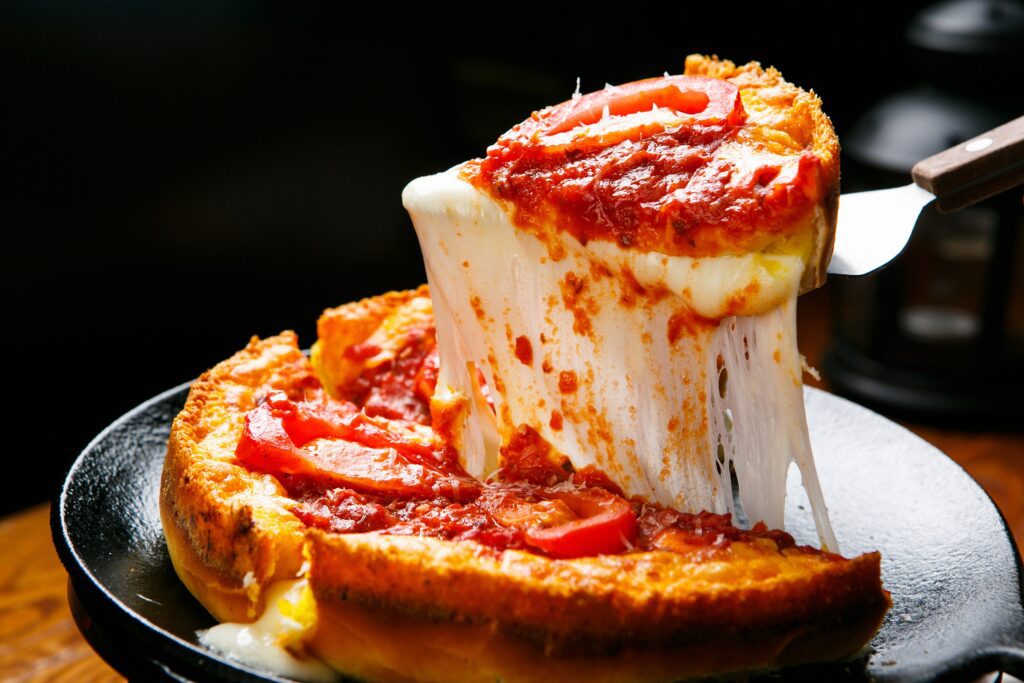
Deep dish deserves its place in the story. The Chicago History Museum traces the style’s rise to 1943, when Pizzeria Uno opened and helped establish a thick, pan-baked pizza with a very different structure from a standard thin pie.
Its height, long bake, and restaurant presentation made deep dish visually memorable. Over time, it became one of the city’s best-known food symbols, especially for visitors. Still, treating deep dish as the only answer to Chicago pizza overlooks much of what developed in neighborhood taverns, family pizzerias, and newer restaurants.
For anyone exploring Chicago pizza styles, deep dish is better understood as one branch of a much larger family tree.
Tavern-Style Thin Crust Grew With Neighborhood Chicago
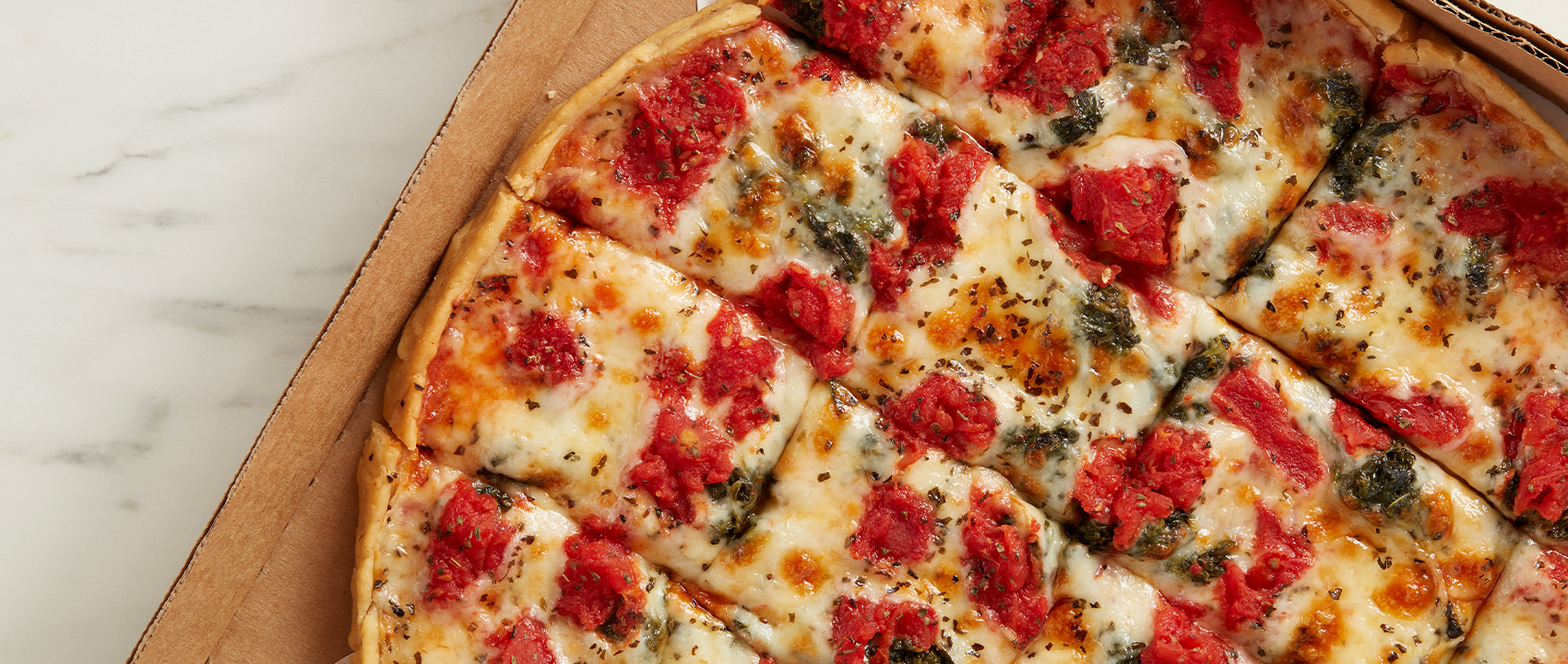
Tavern-style pizza tells a different story. Instead of a deep pan, the style features a thin, crisp crust and a finished pie cut into small squares. Home Run Inn’s tavern-style pizza tradition connects directly to Chicago’s South Side tavern culture.
The setting matters. The University of Chicago Library notes that after Prohibition ended in 1933, Chicago issued nearly 7,000 liquor licenses, equal to roughly one saloon for every 500 residents. Taverns soon became standard neighborhood gathering places, especially across the South Side.
Home Run Inn’s family history fits into that environment. Mary and Vincent Grittani opened their tavern at 31st Street and Kildare Avenue in 1923. In the early 1940s, Mary and her son-in-law Nick Perrino began serving complimentary crispy thin-crust pizza, cut into squares, at the bar.
The small pieces made sense in a social setting. Guests could take a square, keep talking and come back for another. This simple serving choice helped create one of the most recognizable Chicago pizza styles.
The Square Cut Is About More Than Appearance
A round pizza cut into a grid does not eat the same way as one divided into wedges. Tavern-style produces small center squares, crust-edged pieces and corners, so people around the same table can reach for different parts of the same pie.
The variety reinforces the style’s casual character. Instead of one large slice becoming a full portion, the party cut encourages sharing in smaller bites. It also gives Chicago tavern-style pizza a visual identity that is easy to recognize even before anyone takes a bite.
Home Run Inn still describes its pizza around the flaky tavern-style thin crust that grew from its family recipe. In the larger story of Chicago pizza styles, the square cut is not just decoration. It reflects where and how this kind of pizza was served.
Chicago Pizza Styles Extend Far Beyond Two Choices
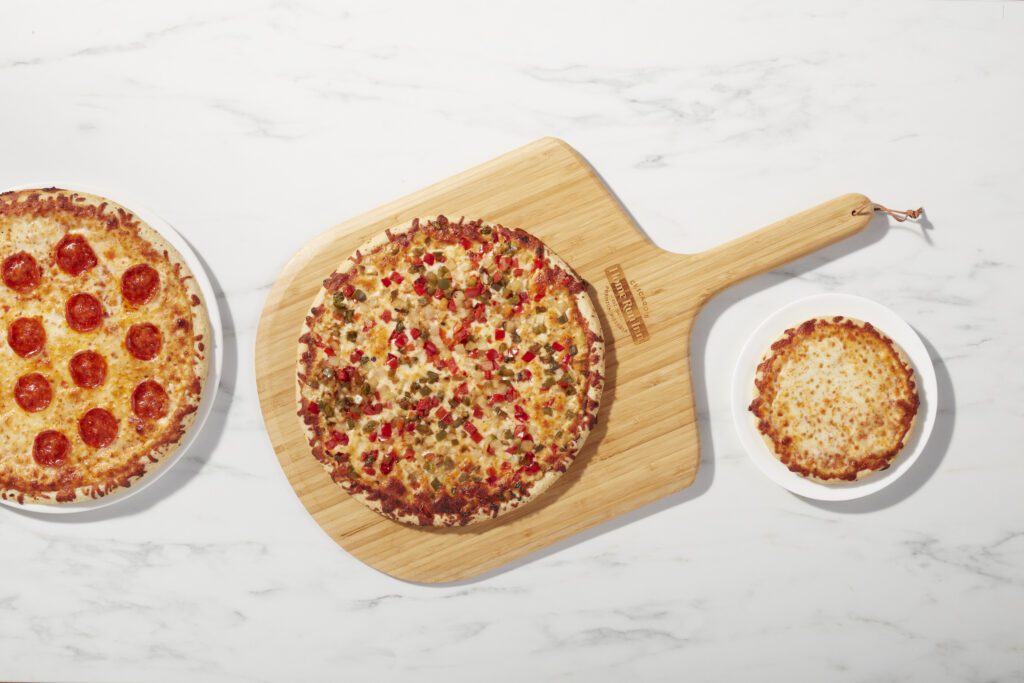
The city’s pizza scene is not simply deep dish versus tavern-style. An American Historical Association article discussing Steve Dolinsky’s field research identifies 10 pizza varieties with a meaningful presence across Chicago. The list includes tavern-style, thin, New York-style, artisan, Neapolitan, deep dish, stuffed, Sicilian, Roman and Detroit-style pizza.
Northwestern University Press reflects the same breadth in The Ultimate Chicago Pizza Guide, which organizes the city’s pizza landscape across tavern-style, deep-dish and deep-pan, stuffed, Neapolitan, Sicilian, Detroit, Roman and other categories.
Not every style on those lists was invented in Chicago. Their presence still matters. It shows how Chicago pizza styles have developed through local traditions as well as techniques brought in, adapted and embraced by different neighborhoods.
Seen together, these Chicago pizza styles make the city more interesting than a single signature dish. One night might call for a thick pan pizza. Another might mean a crisp tavern-style pie on the table for a group. Other diners may seek out wood-fired, rectangular or by-the-slice options. Chicago’s pizza identity has room for all of them.
Tavern-Style Represents the Everyday Side of the City

Deep dish can feel like a destination meal. Tavern-style is closely tied to the kind of neighborhood pizza night that can happen without much ceremony. Its thin crust, compact square pieces, and tavern roots fit a city where pizza has long been part of bars, family restaurants, and casual gatherings.
Home Run Inn’s original 31st Street pizzeria still sits near South Lawndale, North Lawndale and Little Village. The original corner tavern has grown into a much larger restaurant, but its location keeps the brand connected to the part of Chicago where its pizza story began.
This neighborhood connection helps explain why tavern-style deserves such a prominent place among Chicago pizza styles. It is not simply the opposite of deep dish. It represents a different occasion, serving format, and piece of local food history.
The range of Chicago pizza styles also shows why one format does not need to replace another. Deep dish can remain an iconic visitor experience while tavern-style keeps representing a more casual, neighborhood-centered tradition.
Home Run Inn Carried One Chicago Tradition Beyond the Tavern
Home Run Inn eventually took its tavern-style pizza beyond the original restaurant. The company began experimenting with frozen pizza in the late 1960s after a customer asked for partially baked pies he could finish later at home. Home Run Inn expanded frozen distribution over time and reached nationwide distribution in 2022.
The growth gave people outside Chicagoland another way to encounter one of the city’s most distinctive pizza traditions. Shoppers can use Home Run Inn’s pizza locator to check availability near them rather than assuming every product is sold in every market.
The broader reach also shows how Chicago pizza styles can move beyond their original neighborhoods while keeping a strong connection to the places that shaped them.
Chicago Pizza Is Bigger Than One Famous Pie
Chicago pizza styles tell a richer story than deep dish alone. The city has room for deep pans, stuffed pies, imported traditions, and the thin, square-cut tavern pizza that grew alongside neighborhood gathering places. Tavern-style matters because it shows an everyday side of Chicago food culture built around sharing, local identity and familiar tables. Looking beyond one famous style reveals a city with a much deeper pizza vocabulary.
Explore Home Run Inn frozen pizzas and bring a Chicago tavern-style tradition to your next pizza night.