
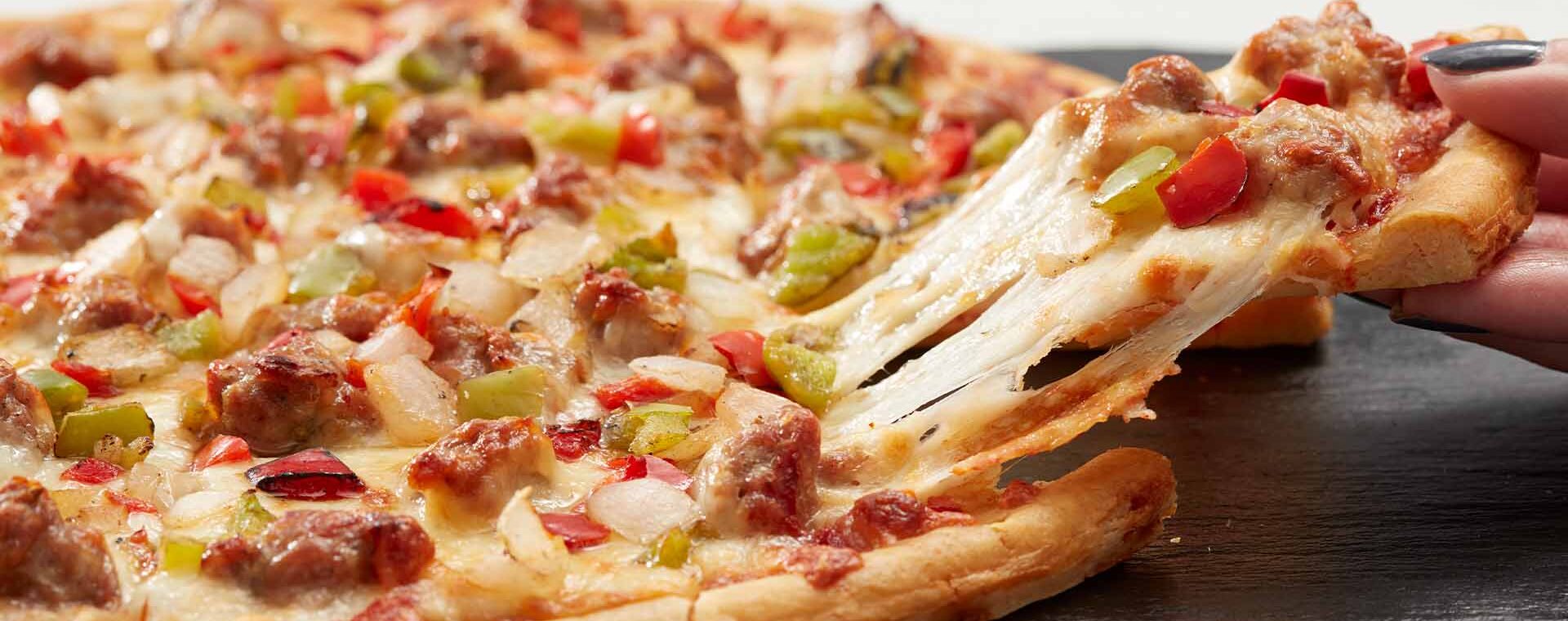
Why Chicago Thin Crust Pizza Is a Local Favorite
Chicago may be famous nationwide for deep dish, but locals know there is another side to the city’s pizza identity. Chicago thin crust pizza is crisp, cut into small squares and built for sharing, making it a natural fit for neighborhood gatherings and casual meals.
Among the many Chicago pizza styles, this tavern-style tradition has remained a familiar favorite for generations. If you have ever wondered why thin crust Chicago pizza has such staying power, the answer starts with the way it was made to be eaten.
Chicago Thin Crust Pizza Has Deep Neighborhood Roots
Neighborhood taverns have long been part of Chicago’s food culture. The University of Chicago Library notes that taverns became a standard feature of many Chicago neighborhoods after Prohibition, including on the South Side.
That history is also part of Home Run Inn’s South Side story. In the early 1940s, Mary Grittani and her son-in-law Nick Perrino began serving complimentary crispy thin-crust pizza cut into squares at the family tavern. Customers began asking for the pizza itself, and the family’s tavern-style recipe became a defining part of Home Run Inn.
That neighborhood beginning helps explain why Chicago thin crust pizza still feels less like a novelty and more like a local tradition.
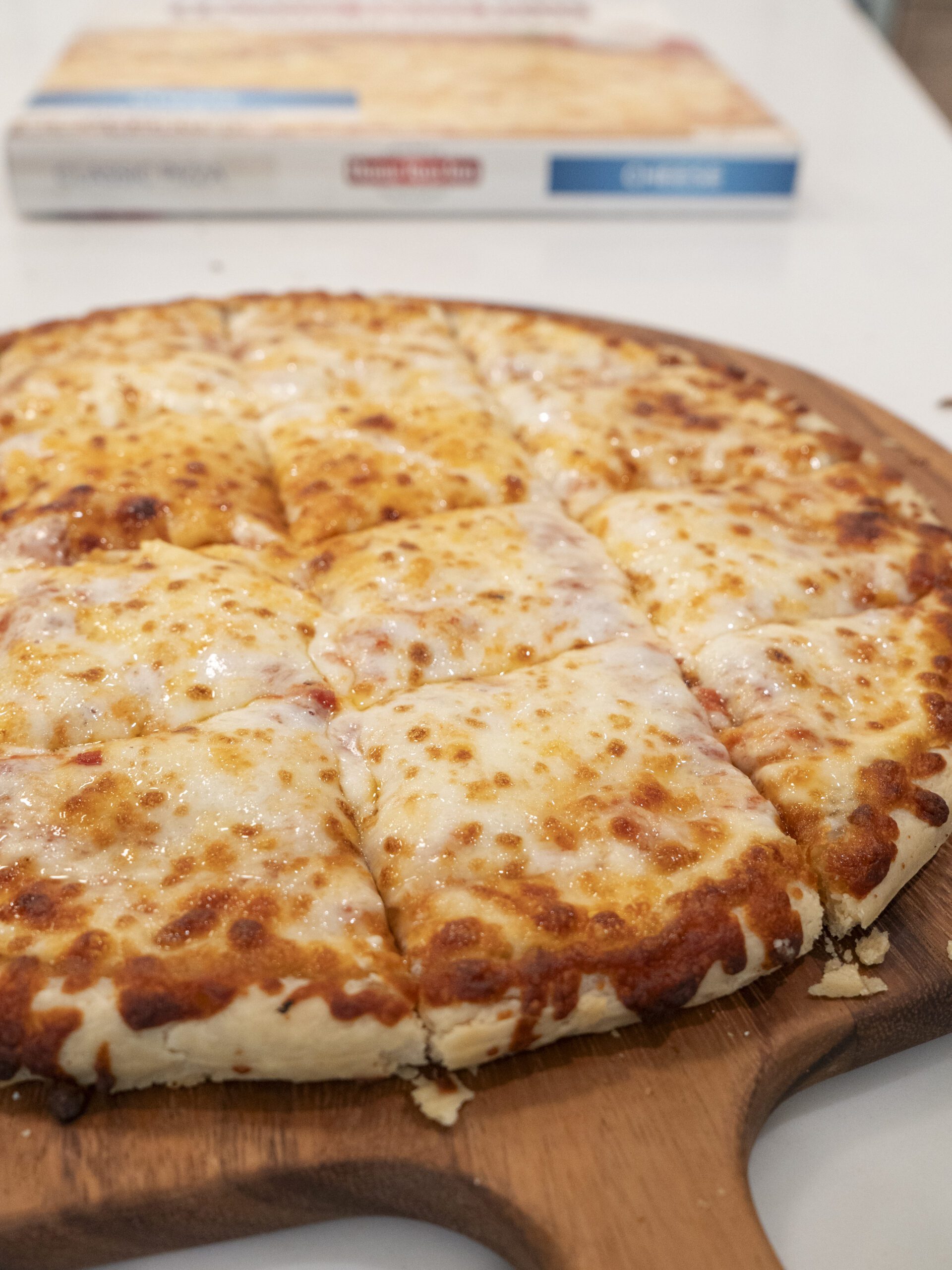
The Crisp Crust Changes the Entire Eating Experience
A thin crust does more than reduce the amount of dough under the toppings. It changes the balance of the whole pizza. The crust provides structure and crunch while leaving plenty of room for sauce, cheese and toppings in each bite.
Home Run Inn describes tavern style through the same two hallmarks: a crispy thin crust and square slices. That combination is one of the clearest differences between tavern-style and other famous Chicago pizza options. It is also a major reason Chicago thin crust pizza stands apart at the table.
At Home Run Inn, the pizza tradition centers on a flaky tavern-style thin crust made from the family recipe. That crisp texture is central to what distinguishes the style.
The Square Cut Makes Pizza Easier to Share
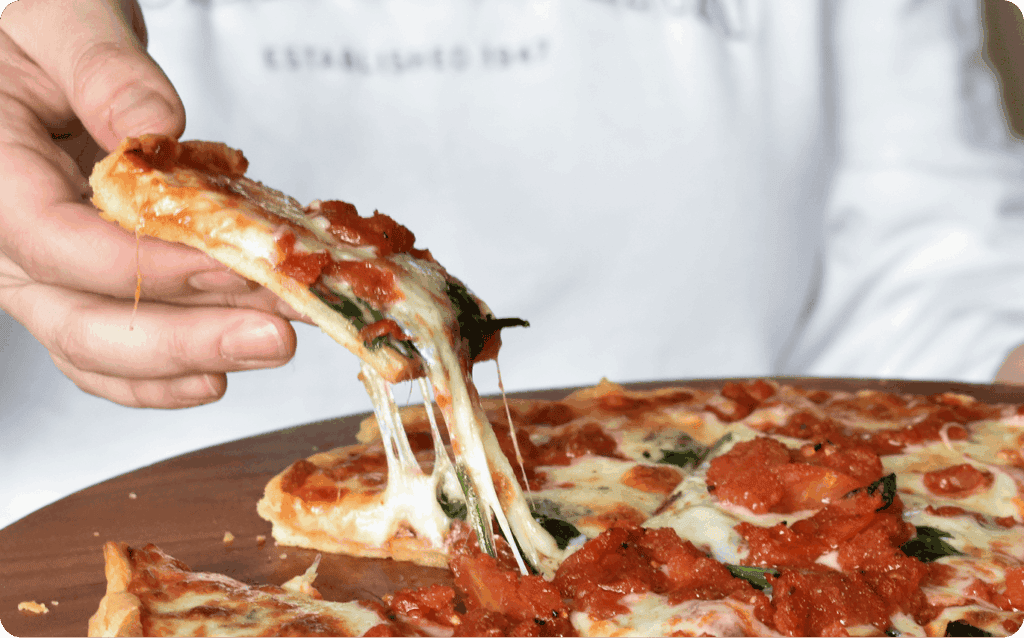
One of the most recognizable features of Chicago thin crust pizza is the party cut. Instead of slicing a round pie into wedges, the pizza is cut across in a grid, creating small squares, rectangles and edge pieces.
That variety is part of the fun. Some people go straight for the crisp corner and edge pieces. Others look for the center squares with no outer crust at all. A single pizza naturally gives everyone a different kind of piece to choose from.
The grid also changes the pace of eating. Instead of one large slice becoming a full serving on its own, people can take a smaller piece, keep talking and decide what they want next. It is a simple detail, but it reinforces the social purpose behind the cut.
The smaller portions also make it easy to grab one square at a time while talking, watching a game or moving around a party. That helps explain why thin crust Chicago pizza works so well as a communal food rather than a sit-down meal that demands a knife and fork.
It Represents a Different Side of Chicago Pizza Culture
Deep dish may be the Chicago pizza style many visitors recognize first, but it is not the only style with deep roots in the city. Tavern-style grew from neighborhood bars and gathering places, giving Chicago another pizza tradition with its own crust, cut, and social role.
In 2024, National Day Calendar and Home Run Inn began collaborating to create National Tavern-Style Pizza Day, formally celebrating the style and the company’s connection to it.
That matters because Chicago pizza styles have never been limited to one type of crust. A famous Chicago pizza can be tall and layered, but it can also be crisp, thin, and cut into squares.
For locals, there is no need to choose a single style to represent the city. That contrast is part of why Chicago thin crust pizza has such staying power. It fills a different role. It is casual, shareable, and closely tied to neighborhood restaurants, taverns and family pizza nights. Chicago thin crust pizza reflects that everyday side of the city’s food culture.
Reducing Chicago pizza to deep dish alone misses that everyday variety. The city’s pizza culture has room for different crusts, cuts, and occasions, and tavern-style occupies the casual end of that spectrum especially well. It is less about spectacle and more about a familiar format people can share.
Chicago Thin Crust Pizza Fits the Way People Actually Eat Pizza
Pizza is often a group food, and tavern-style is particularly well suited to that role. USDA research using national dietary data found that 58% of pizza consumption by adults occurred at dinner. The same report describes pizza as a common choice for last-minute meals and get-togethers because it is convenient and easy to serve.
The party cut reinforces those advantages. Instead of committing to a large wedge, people can take a few smaller pieces, try different sections of the pie, and come back for more when they want. That makes Chicago thin crust pizza an easy fit for groups with different appetites.
That flexibility is one reason a thin crust Chicago pizza feels at home at weeknight dinners, family gatherings, sports nights and casual parties alike.
The Style Leaves Plenty of Room for Toppings
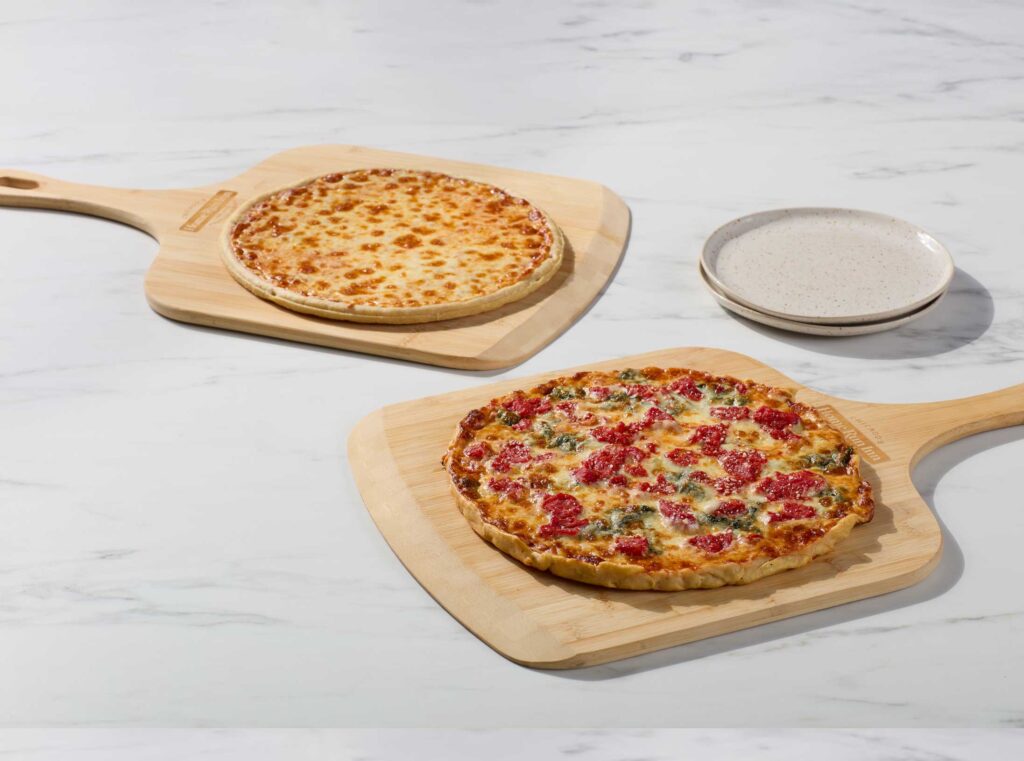
A crisp base also makes a good platform for different topping combinations. Because the crust is thin, the overall experience can stay balanced even when the pizza includes plenty of cheese, vegetables or meat. The balance is part of why Chicago thin crust pizza works with so many topping combinations.
That does not mean every tavern-style pie needs to be loaded. A simple cheese pizza lets the crust, sauce and cheese stand on their own. A sausage or pepperoni pizza adds a more savory layer without changing the basic appeal of the style.
This versatility is another reason thin crust Chicago pizza has lasted. People can keep the familiar crust and square cut while changing the toppings to fit the occasion or the crowd.
Home Run Inn Keeps the Tavern-Style Tradition Accessible
The appeal of Chicago thin crust pizza is tied to history, but it is not stuck in the past. Home Run Inn still serves tavern-style pizza at its Chicagoland pizzeria locations, giving local diners a direct connection to the style’s South Side roots.
For pizza night at home, shoppers can also find Home Run Inn frozen pizza at retailers. The retailer locator helps shoppers check what is available near them without assuming every product is sold in every market.
For a style that began as a simple tavern snack, that reach says a lot. The format remains recognizable because the basic idea still works: a crisp crust, a square cut, and a pizza designed to be shared.
Enjoy a Fine Slice Tonight
Chicago thin crust pizza endures because it fits the city’s neighborhood food culture as naturally today as it did generations ago. Its crisp crust, party cut, and shareable format make it practical, distinctive and easy to enjoy with other people.
Among Chicago pizza styles, tavern-style has earned its place not by competing with deep dish, but by offering a completely different kind of famous Chicago pizza experience.
Ready for your next pizza night? Explore Home Run Inn frozen pizzas and bring Chicago’s tavern-style tradition to the table.