
Tavern to Table: Why Chicago Tavern Style Pizza Is Having a Moment
For decades, tavern-style pizza was a Chicago favorite that many diners outside the city knew less well than deep dish. Now, this Chicago thin-crust pizza tradition is gaining a wider audience. In June 2026, the Los Angeles Times published a guide to nine tavern and bar-pie spots around Los Angeles and described the style as having a moment there.
The attention is showing up in national food media too. In September 2026, Food & Wine included Chicago tavern-style pizza in a collection of nine regional pizza styles worth making at home. Those examples do not prove a nationwide craze, but they do show a Chicago thin-crust pizza tradition extending well beyond its home turf.
Why Tavern Style Pizza Is Finding Fans Beyond Chicago
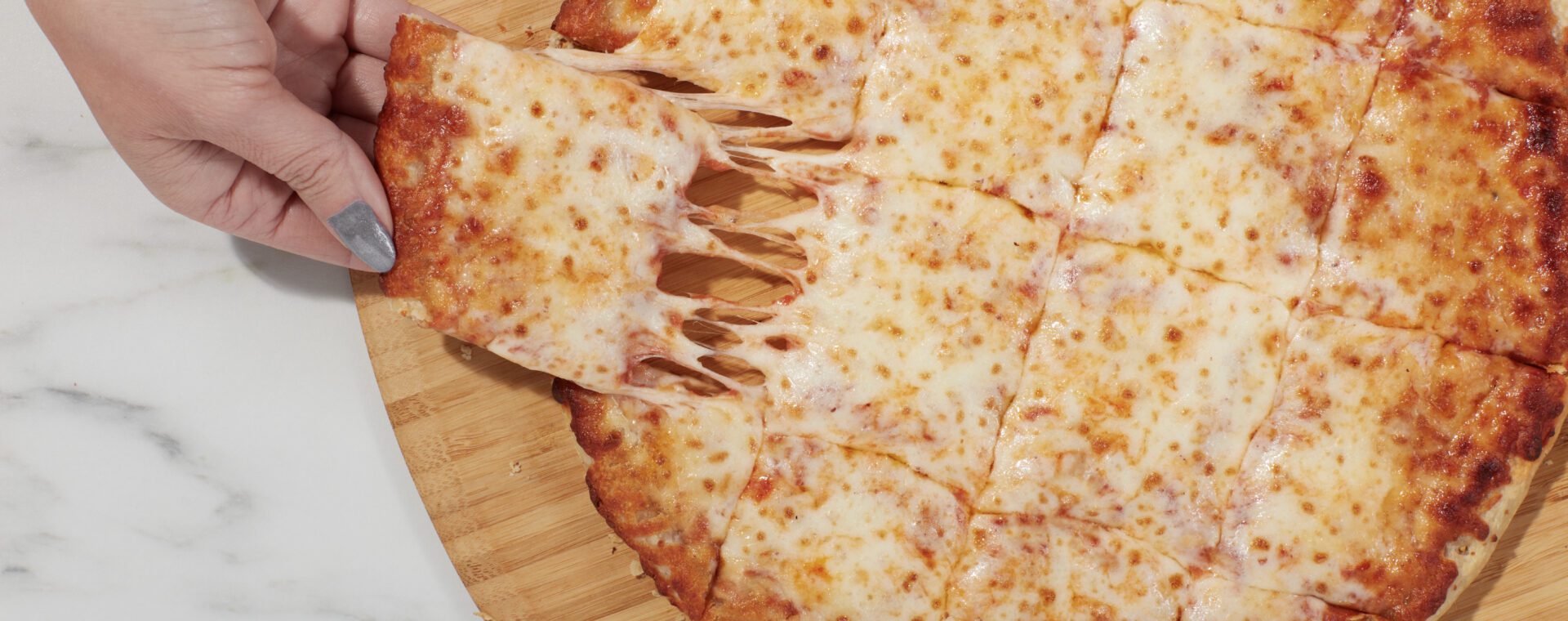
Part of the appeal is easy to recognize before anyone gets into the history. Tavern-style pizza has a thin, crisp crust, a low profile, and a grid of smaller pieces rather than large triangular slices. It looks different from the Chicago pizza many visitors expect, and the format is simple to understand once it reaches a new city.
Recent consumer research also suggests thin crust already has a broad audience. The American Bakers Association’s 2025 Pizza and Flatbread research found that 49% of consumers prefer thin crust. The same research found that 86% of Americans had eaten pizza or flatbread in the previous year.
Those figures cover pizza broadly, not tavern-style pizza specifically. Still, they help explain why a crispy thin crust pizza does not need diners to learn an entirely new way of eating. The regional identity may be new to them, while the basic crust preference is already familiar.
The broader restaurant landscape is also leaning into familiar food with a story. The National Restaurant Association’s 2026 What’s Hot Culinary Forecast identifies comfort and nostalgia as major themes shaping menus. Tavern-style pizza is not singled out in that report, but the pattern helps explain why regional pizza styles with strong local identities can feel timely.
The Los Angeles example also shows that wider attention does not mean the style appeared overnight. The Times notes that versions of tavern-style pizza and Chicago thin crust have been served in Southern California for decades, while newer restaurants have added their own takes since the pandemic. The current moment is better understood as growing visibility for a style with an existing history.
The Square Cut Makes the Style More Social
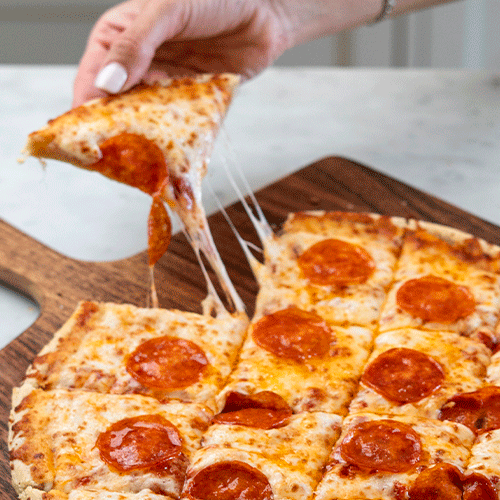
The party cut is more than a visual signature. Cutting a round pie into a grid creates edge pieces, corner pieces and center squares with no outer crust. Smaller portions also let people grab a piece, keep talking and come back for another without starting with one large wedge.
The social format fits the setting that gave the style its name. The University of Chicago Library notes that taverns became a standard feature of many Chicago neighborhoods after Prohibition, including on the South Side. These were neighborhood gathering places long before tavern-cut pizza became a food-media trend.
Home Run Inn’s own story fits directly into that culture. In the early 1940s, Mary Grittani and Nick Perrino began putting complimentary crispy thin-crust pizza on the family tavern’s bar, cutting it into squares and serving the pieces on napkins. Tavern-style pizza was practical for the setting because customers could take a small piece while enjoying a drink.
Regional Pizza Styles Are Getting More Attention
National coverage increasingly treats regional pizza styles as identities worth naming and seeking out. Food & Wine’s 2026 collection put Chicago tavern-style pizza alongside styles from New York, Detroit, California and Italy. The Los Angeles Times, meanwhile, found enough Midwest-style tavern and bar pies in one West Coast market to build a nine-stop guide.
For diners, Chicago thin crust pizza carries more than a crust specification. The style comes with a place, a serving tradition, and an easy contrast with the deep dish image often associated with Chicago. A square-cut pizza on a crisp base can immediately signal a different side of the city’s pizza culture.
The format also offers variety within a single pie. Edge pieces bring a strip of outer crust, while center squares put more focus on the toppings and crisp base. People around the same table can reach for different pieces without changing the pizza itself, which reinforces the casual, shareable character of the party cut.
Wider recognition does not make the style new. It simply gives more people a name for a pizza tradition Chicagoans have known for generations.
Home Run Inn Was Serving It Long Before the Trend
Home Run Inn’s history starts in 1923, when Mary and Vincent Grittani opened their tavern at 31st Street and Kildare Avenue on Chicago’s South Side. The pizza entered the story in the early 1940s, when Mary and her son-in-law Nick Perrino began serving their thin-crust, square-cut pies at the bar.
The tavern was officially named Home Run Inn in 1947 after a baseball from a neighborhood game came through the front window. More than eight decades after the family began serving pizza, the company’s original family recipe remains central to its tavern-style pizza.
The current attention therefore lands differently for Home Run Inn. Tavern-style pizza is not a trend the company adopted after it became popular elsewhere. It is part of a South Side story that predates today’s broader interest by generations.
Frozen Pizza Helped Carry the Tradition Beyond Chicago
Home Run Inn also has a long history of taking its pizza beyond the tavern. According to the company’s timeline, a Wisconsin customer in the late 1960s regularly asked for partially baked pizzas he could finish later at home. Home Run Inn built on the idea by par-baking and freezing pizzas for nearby grocery stores.
The company expanded to nationwide distribution in 2022. Today, its frozen pizza lineup gives shoppers outside Chicagoland another way to encounter a style that began at a neighborhood tavern.
The broader reach matters to the current story because trends spread differently when people can actually try the food. A diner may first notice tavern-style pizza through a restaurant opening, a food article, or a conversation about regional pizza. A frozen option can make a Chicago-rooted version accessible even when a local tavern-style pizzeria is not nearby.
Home Run Inn therefore sits at an unusual intersection of regional history and modern availability. The brand can point back to its South Side tavern roots while putting the same basic thin-crust, square-cut identity in front of shoppers around the country.
Why Tavern Style Pizza Has Staying Power
Tavern style pizza is having a broader moment because several parts of the format travel well: a crisp thin crust, shareable square pieces, and a clear regional identity. Recent attention in Los Angeles and national food media is introducing more diners to a style Chicago has treated as everyday pizza for generations. Home Run Inn connects that new visibility to a family tradition that reaches back to its South Side tavern.
Find Home Run Inn frozen pizza near you and bring Chicago’s square-cut tradition to your next pizza night.